The Skill Marketing Clients Pay For Isn't Prompting
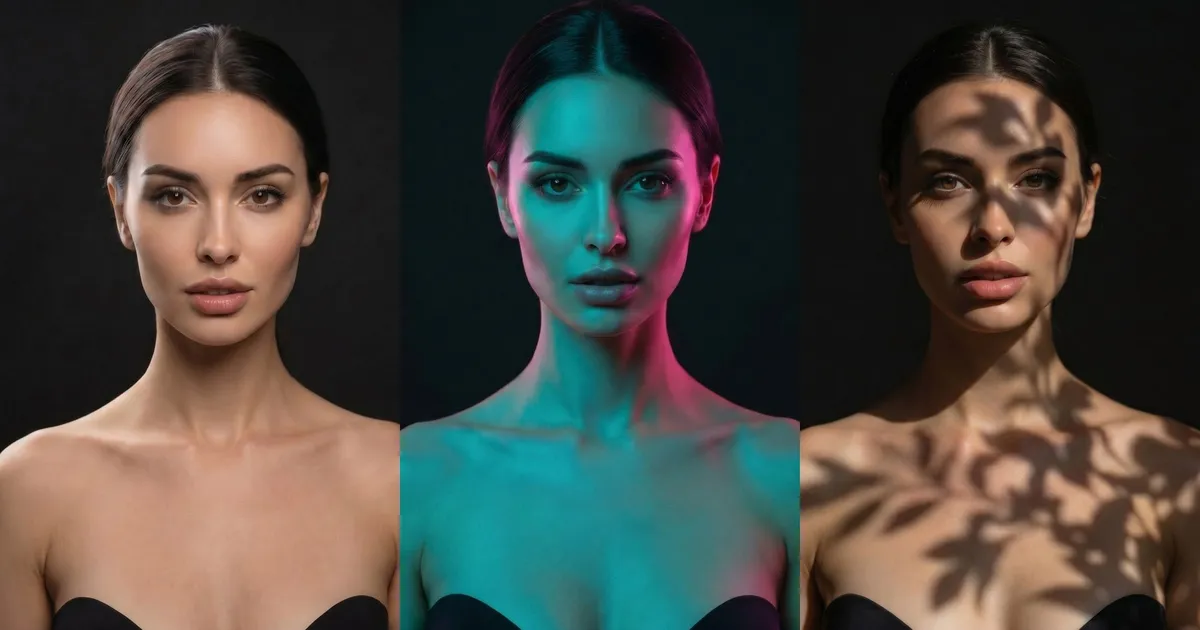
Most people getting into Generative AI right now are practicing the half of the job. Producing photorealistic images that look real takes a platform subscription and high-level prompting skills. What it doesn't take is any understanding of what that shot has to do once it sits inside a campaign, next to everything the brand has already published. That second part is where the marketing budgets are growing — however, many creative professionals are still only training for platforms. They’re missing the skill needed outside platform knowledge and prompting skills.
Why the Prompt Stopped Being the Differentiator
When the first Generative AI platforms arrived, the conversation centered on the prompt. Prompt engineering became its own category, and people sold guides on writing the right ones. That made sense then — the platforms were unpredictable enough that phrasing changed what came back. They aren't anymore. A prompt is simply one input — a description handed to a platform that has no idea what you're trying to accomplish. It says nothing about who the client is, what the brief requires, or which of the next sixty outputs a brand will most likely approve to run in market. Said another way— the phrasing stopped being the differentiator at about the same moment every platform got good at reading one to give the intended output.
Generation AI Needs Creative Direction, Not a Better ‘AI Camera’
This makes more sense if you think about how a commercial shoot is run. The creative director doesn't ‘hold’ the camera — they read the brief, learn the brand, shape the environment, direct the talent, and call which frame gets delivered.
Nobody on a set assumes a better camera replaces a creative director working closely with the principal photographer. In Generative AI, the role of photographer and creative director are often collapsed into a single role.
The role of this Generative Photographer works the same way, with a generative AI platform standing in place where the camera does during a traditional photoshoot.
The Generative Photographer reads the brand brief before opening anything, then sets the vision the session has to hold to — the lighting quality, the mood, the talent model's relationship to the product, and the composition, all carrying the brand's visual identity.
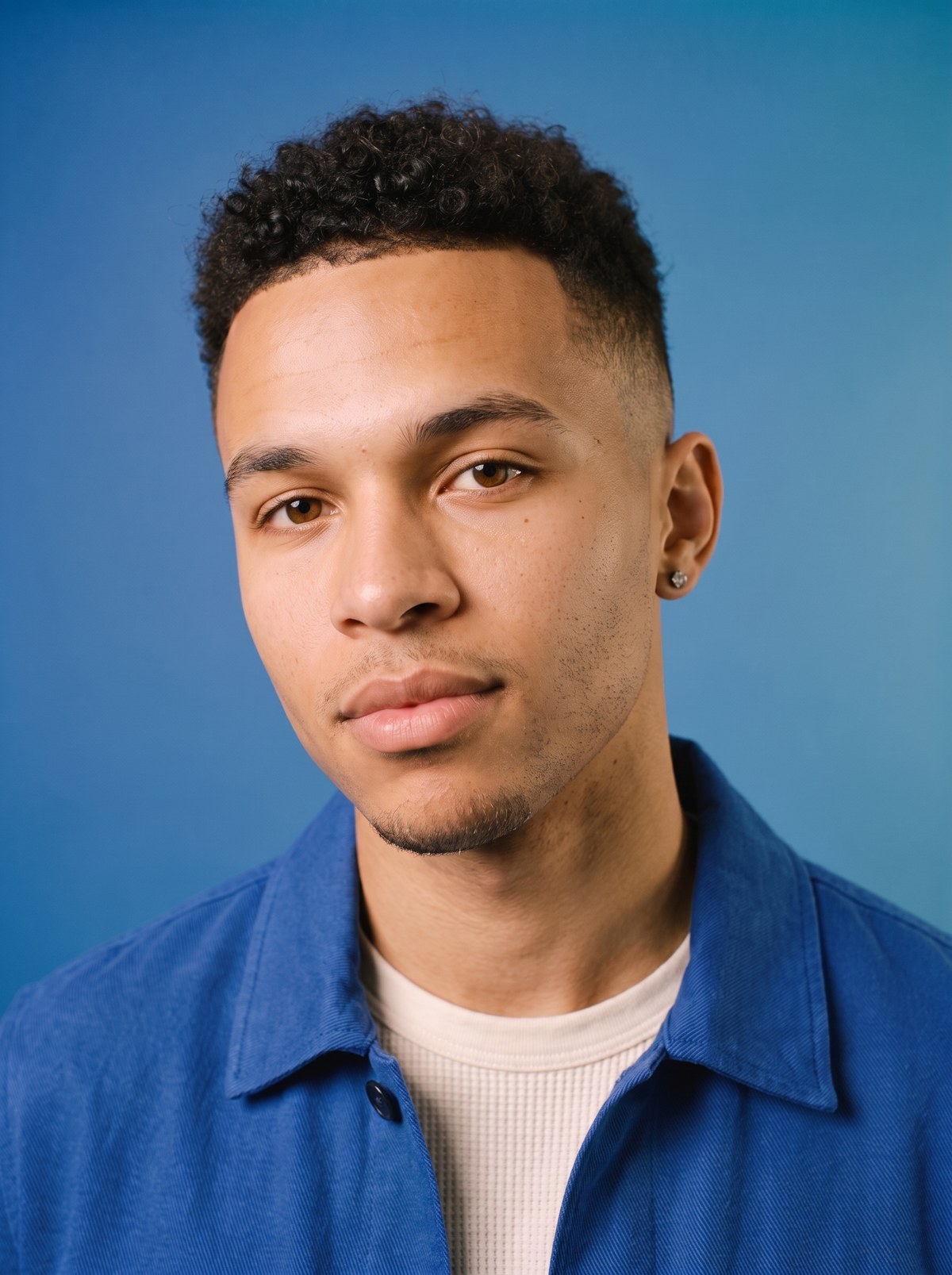
Then comes the part that gets skipped most often, and in our experience it's what separates a usable set of Generative outputs from a folder of near-misses. Every output gets audited first: anatomy such as an arm or leg bending the wrong way, props with odd-looking geometry, or a face that shifts between outputs (known as model drifting). Conducting a proper generative output audit, followed by selection files for final delivery — a process known as Generative Curation — determines which of the clean shots delivers the brief, and being able to explain the call to a marketer who wasn't in the session.
Why Two Creative Professionals on the Same Platform Demonstrate Vastly Different Generative AI Skills
This can be seen by brands being criticized for fake-looking AI images in their marketing campaigns. These brands were torn apart on social media, for defects a trained eye would have caught.
Meanwhile during those same months, other marketers shipped high-quality work using commercial-grade photorealism that drew no negative reaction — using the same platforms. What separated them was whether anybody properly read and acted accordingly against the brief, set the standard for generative AI for photorealistic imagery, and refused to deliver anything sub-par to that standard.
The marketers coming back to Generative AI for their campaigns aren't shopping for a platform. They want creative professionals who can take a real campaign brief — audience, brand standards, marketing channel specs — and return generative photography that delivers on the brief without the brand team managing every decision for every output.
And here's the insight: access to generative AI platforms is now the cheapest thing in the workflow, which is exactly why it can't be the differentiator that marketers, their agencies, or in-house production teams are paying for.
Rest assured, none of this makes traditional photographers obsolete — quite the opposite. Brief interpretation, creative direction and an audit of outputs are three things a working photographer already does, and they're exactly the skills that transfer.
What dropped away was the technical barrier using AI, a barrier which is now closing quickly as the role of the Generative Photographer and their skills are quickly developing in today’s Generative AI and creative industries.
For the ongoing conversation about building that direction skill at a professional level, join our free Generative Photography community, where it's happening: genphotography.com/community