Three Things Missed When Producing Gen AI at Brand Standards
When a brand's Generative Output ends up missing the market against what they were hoping for, the platform or AI model is almost never to blame.
Here are the three misses that tend to show up under this scenario.
Number One: The Brief Wasn’t Properly Understood
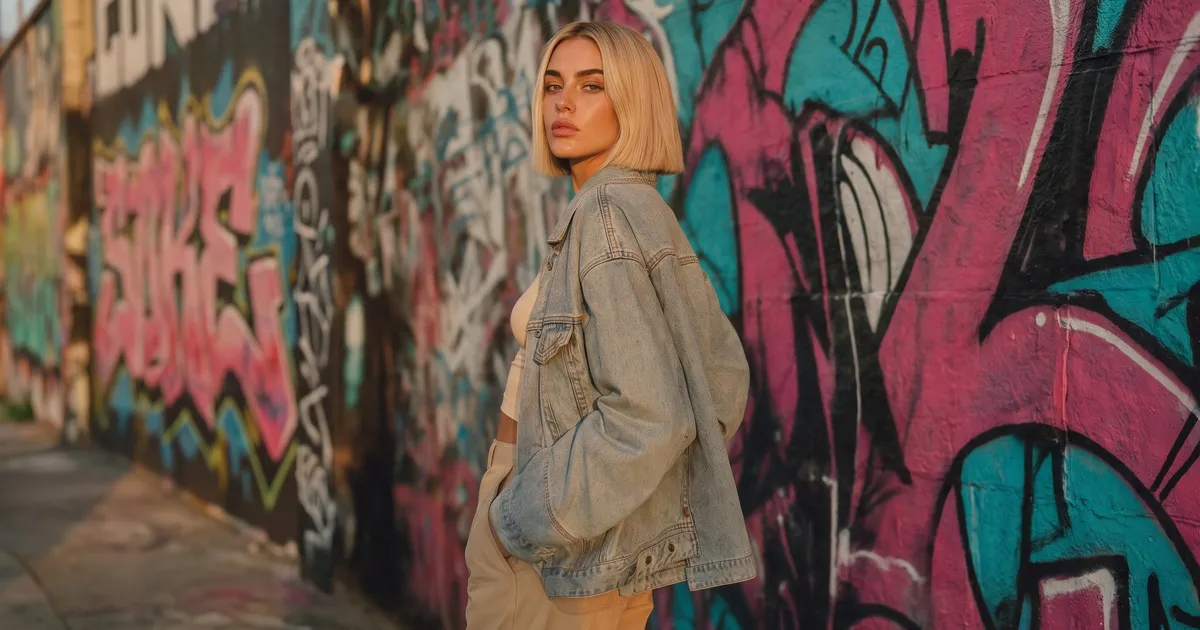
Successful brands using Generative AI have properly established a visual language that the AI outputs match — a particular quality of light, a particular relationship between clothing and wearer, an aesthetic built over time, and recognized instantly by customers.
On the other hand, the brands that got publicly criticized for unrealistic AI photography in their campaigns often end up with generic outputs. Even when using their own products in Gen AI outputs, the difference between realistic vs ‘overly fake’ was obvious to anyone who knew the brand, which is to say obvious to exactly the person the campaign was aimed at.
Future brands will benefit from working with a Generative Photographer, who is needed to take those visual standards and translate them into strong creative direction.
Number Two: Auditing Outputs
Another key area often missed when reviewing Generative AI outputs is conducting a proper audit to look for irregularities — for example, the anatomy of the subject and if a certain part of the body is bending the wrong way, props with impossible geometry, or faces changing between shots in the same set — essentially two different talent models that look similar, but not the same (known as model drift).
When those images reach the public eye and become highly criticized —it means one of two things. Either an audit never happened, or it happened without the proper, trained eye.
Said another way— a person looked at these and approved them before adequately conducting a Gen AI reshoot.
Number Three: Standard-Setting
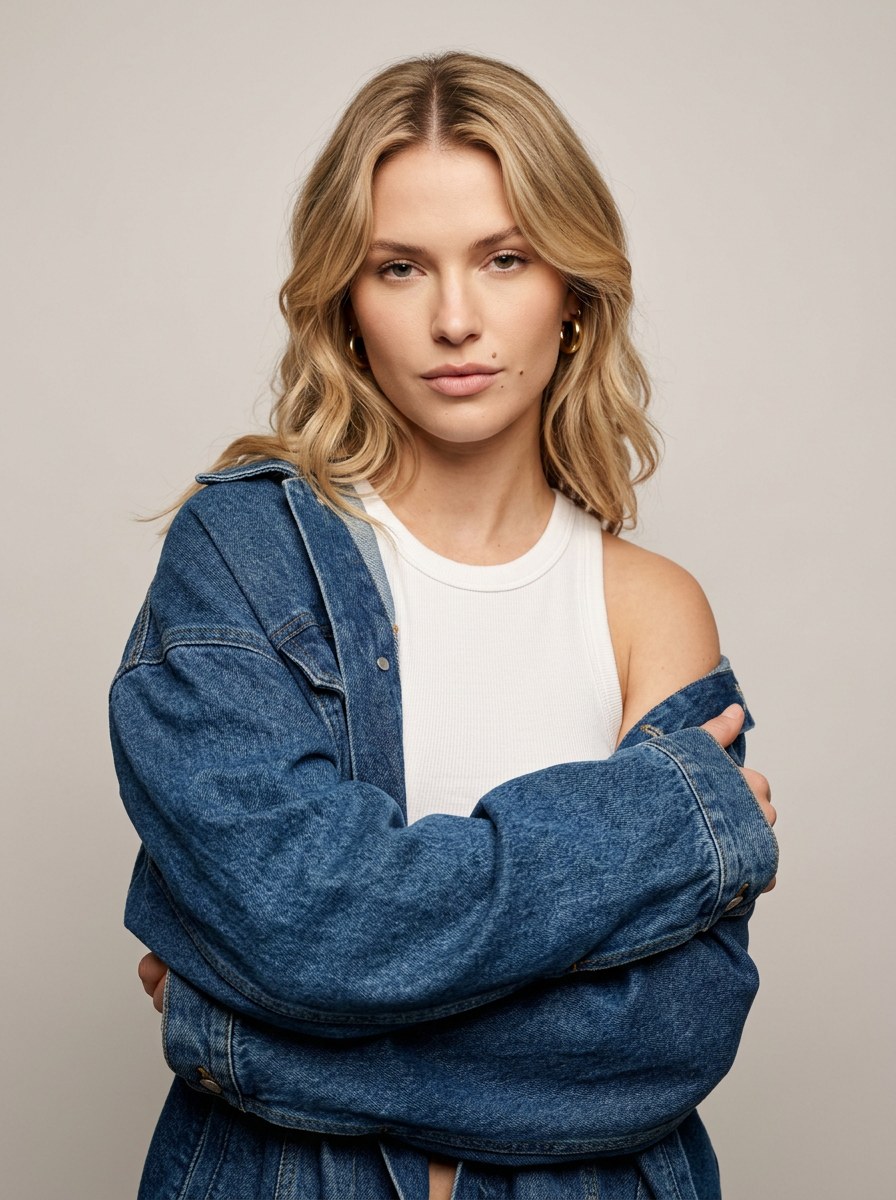
Before any generation happens on a professional generative shoot, the standard gets defined. What an acceptable frame looks like for the brand, for this campaign, right now.
The campaigns that went wrong don't carry a proper standard to follow when using Generative AI images. Without a written standard, the use of Generative AI in brand campaigns collapses, and the marketer pays for it with negative social comments and press.
The Lesson Learned: Maintain A Predictable Pattern
The lesson isn't that Generative AI doesn't work. In the same months those ‘bad’ campaigns were being picked apart, other brands were shipping photography at commercial-grade photorealism that drew no negative reaction. And not because any of them had access to better models.
The lesson is that AI Works Best with the proper creative direction. Generation capability is one half of the production workflow — brief interpretation, creative direction, and conducting an audit of outputs are key aspects, and they determine whether a campaign passes scrutiny or becomes somebody's cautionary slide.
For brands, that means investing in a Generative AI platform giving equal attention to creative direction when working with Generative AI prompts and output quality. For aspiring Generative Photographers, it's a fairly strong signal about where the value is from this growing skillset in today’s economy of marketing, agency, and creative professionals. Everyone can access a platform to create prompts and produce Generative AI output. Far fewer can direct it properly, and the difference is between a client that pays you for Generative Photography vs one who doesn't get consistent Gen AI results.
For a demonstration of what a directed session looks like against a real brief, join our Community and watch the next upcoming webinar: genphotography.com/community