Why Gen AI Comes Back Off-Brand — and Platforms Won't Fix It
Before you upgrade to the next platform, consider that the platform probably isn't what's wrong.
Most brands trying Generative AI hit the same wall at about the same point. The early outputs look impressive on their own — technically clean, often photorealistic. Then the team sets them beside the brand's existing creative and something's off. The light doesn't feel right. The talent model's facial expression is slightly wrong.
That isn't a Gen AI gap, and a better platform or Generative AI Model won't repair it. The reality is that the problem happens before any image is generated.
What Off-Brand Actually Means
When a brand marketing team says an image feels “off-brand”, they're pointing at one of three things:
The first is lighting. Every brand and their creative team has a light signature that they are aiming for when shooting photography — the quality, temperature and direction that show up consistently across its photography.
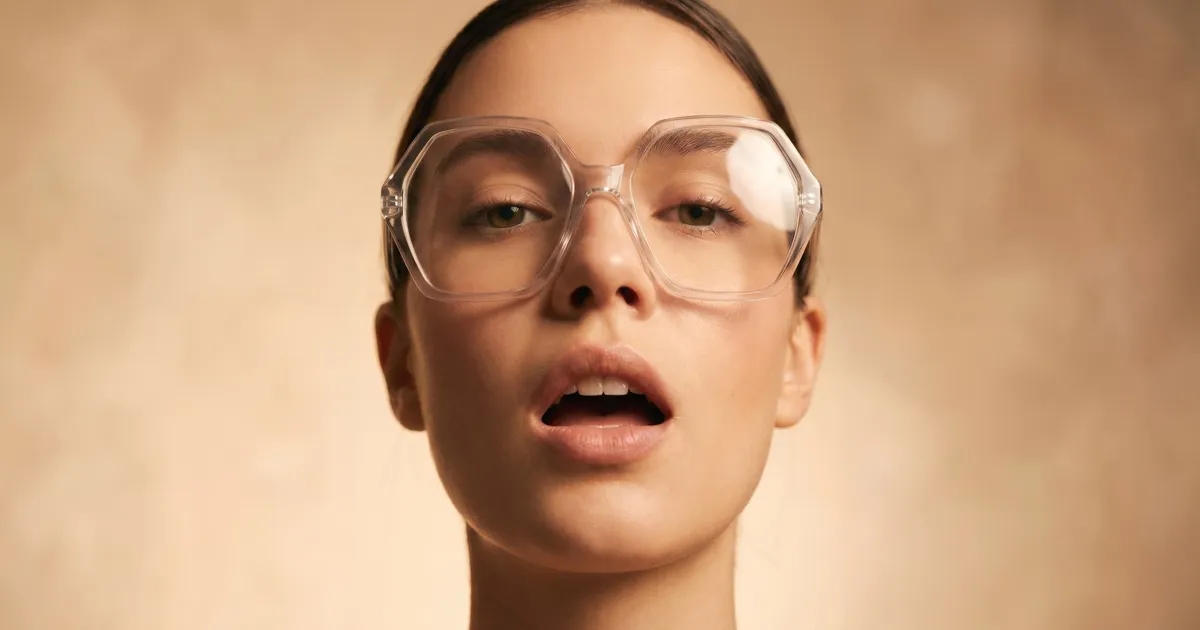
Warm and diffused are types of lighting that many of today’s luxury skincare brands prefer.
On the other hand, bright, clean, directional and high-contrast lighting can be used for things like athletic or performance apparel. When Generative AI produces the wrong light for the aesthetic or look, that brand signature isn’t achieved and the shot doesn’t meet the brand standard.
The second is the talent model's relationship to the product. In commercial fashion and lifestyle work, the way a model relates to what they're wearing and the emotion they're holding — things like their eye gaze, the posture, the energy — is directed to serve the brand's emotional positioning. It’s no different than when an actor is being guided by the director — an AI talent model (the subject in your photo) needs to be directed creatively by the Generative Photographer.
The third is brand specificity. Generative AI, left alone, returns work that's competent and completely generic. Without direction at every stage, you get basic outputs that could belong to any company in your category.
Why Changing the Platform Won't Solve a Direction Problem
The instinct to switch Generative AI platforms makes sense. If the current platform isn't returning brand-right work, the obvious guess is that a more capable one would. There's some truth in it — newer models are more photorealistic, they handle edge cases better, and they give a user writing prompts more granular control.
Here’s the deal: even a ‘better’ platform, when fed the same inputs and prompts, only returns a different version of the same problem. If the session starts from a loose description rather than an internalized brand brief that follows a strict set of generative rules, what comes back stays generic.
This makes sense if you think about how a traditional production works. When a shoot comes back off-brand, nobody inspects the camera. They go back through the briefing — whether the creative direction was communicated clearly, whether the photographer understood the visual standards, and who on set was making the creative calls and providing direction.
And here’s the insight: Generative Photography works the same way.
Generative Photography needs that same set of inputs and specific rules when using prompts. When outputs feel off-brand, the question isn't which platform to switch to. It's what direction was given, and whether it was specific enough to produce the desired result.
Most of the time the honest answer is that enough adequate direction was not given. A marketer wrote a description, the platform ran, and the team picked the least-bad option out of what came back. We see it constantly, and it's why we treat the brief as the first piece of the workflow, and not the platform itself. Those who jump directly into the platform miss this first critical step: Write, Read, and Align on the brief.
For ten direction techniques that produce brand-right work from the platform already in your workflow, check out our free guide 'How To Escape Generative AI Slop': genphotography.com/asset/fakeslop