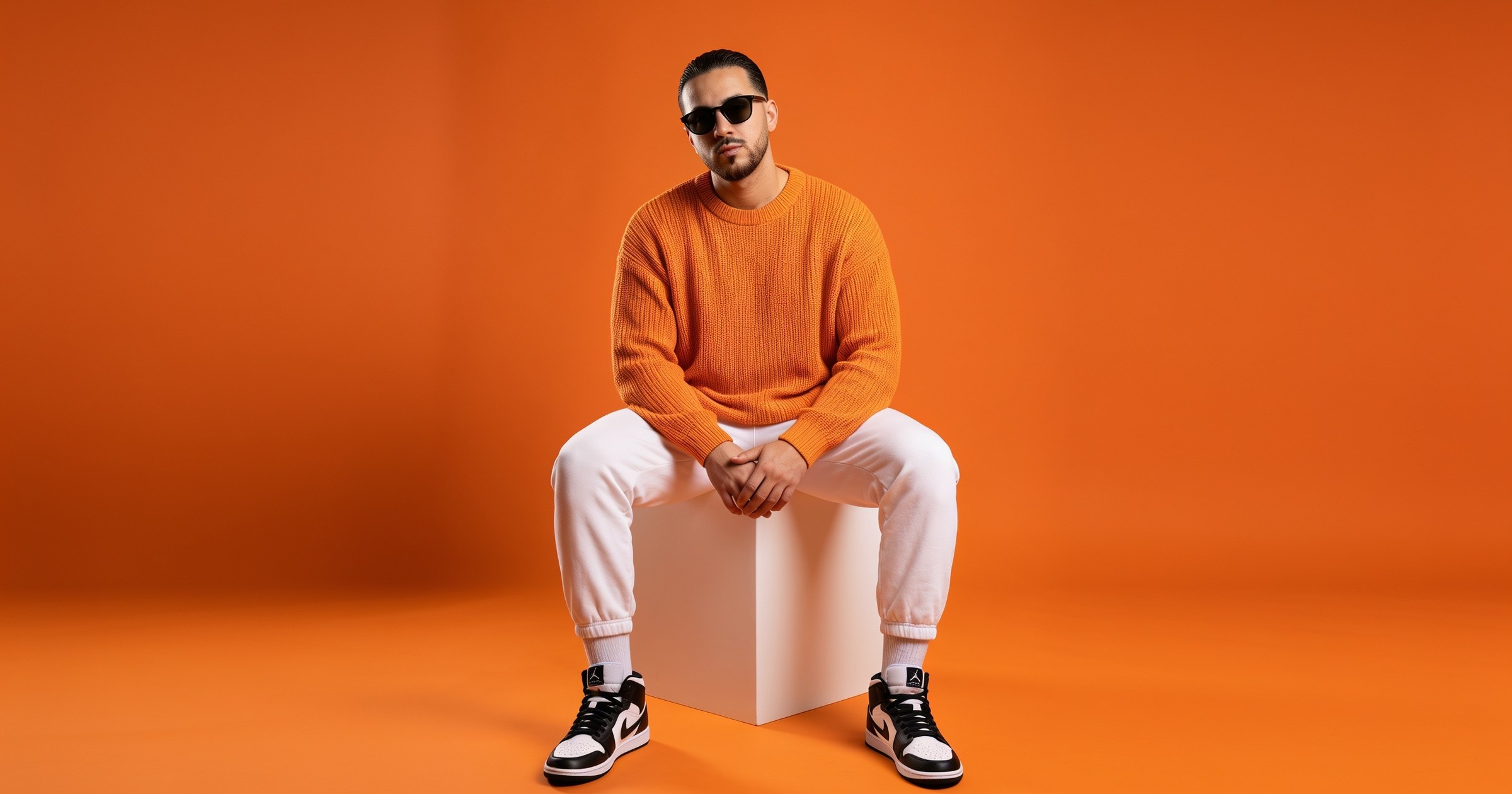
TEST POST - delete me
Most of the argument about AI in commercial photography is really two separate things confused for being the same thing, and we spend more time untangling that in conversations with marketers than (almost) with anything else.
Both terms get used as synonyms constantly, and the confusion costs marketers money because they end up paying for one and expecting the other.
Technical Capability vs Creative Skill: Which are Marketers Are Paying for?
Generative AI can create images on dozens of platforms today with ease. Someone types a description of what they’d like to create (generate) and quickly gets an image back. The capability is impressive, it improves every few months with newer Gen AI models, and the barrier to producing something that is visually ‘interesting’ is now less than fifteen cents an image — but cost is not where the value of Gen AI sits when it is viewed through the lens of photography, to produce photorealistic imagery.
Generative Photography is the professional practice of applying photographic creative direction — the craft judgment a photographer or creative director brings to a commercial shoot — to that capability, so the output holds to a brand standard rather than to a general aesthetic and model ‘average’ — which is what the majority of today’s output tends to look like.
The distinction isn't a philosophical one. It's the same relationship photo editing has to retouching. Anyone can open a photo and start editing. Whether the final file meets a commercial standard depends entirely on whether the person at the keyboard has the skills to get it there. The platform makes the work possible through its technical capability. The practitioner with the right creative skills is the reason a client accepts the file.
The Three Things a Generative Photographer Does That No Platform Does
The first is brief interpretation. Before any session begins, a Generative Photographer reads and internalises the client's brief — the campaign objectives, the audience, the channel, and the visual standards the brand holds everywhere else. That brief becomes the thing every output gets measured against — and without one, there's nothing to measure against.
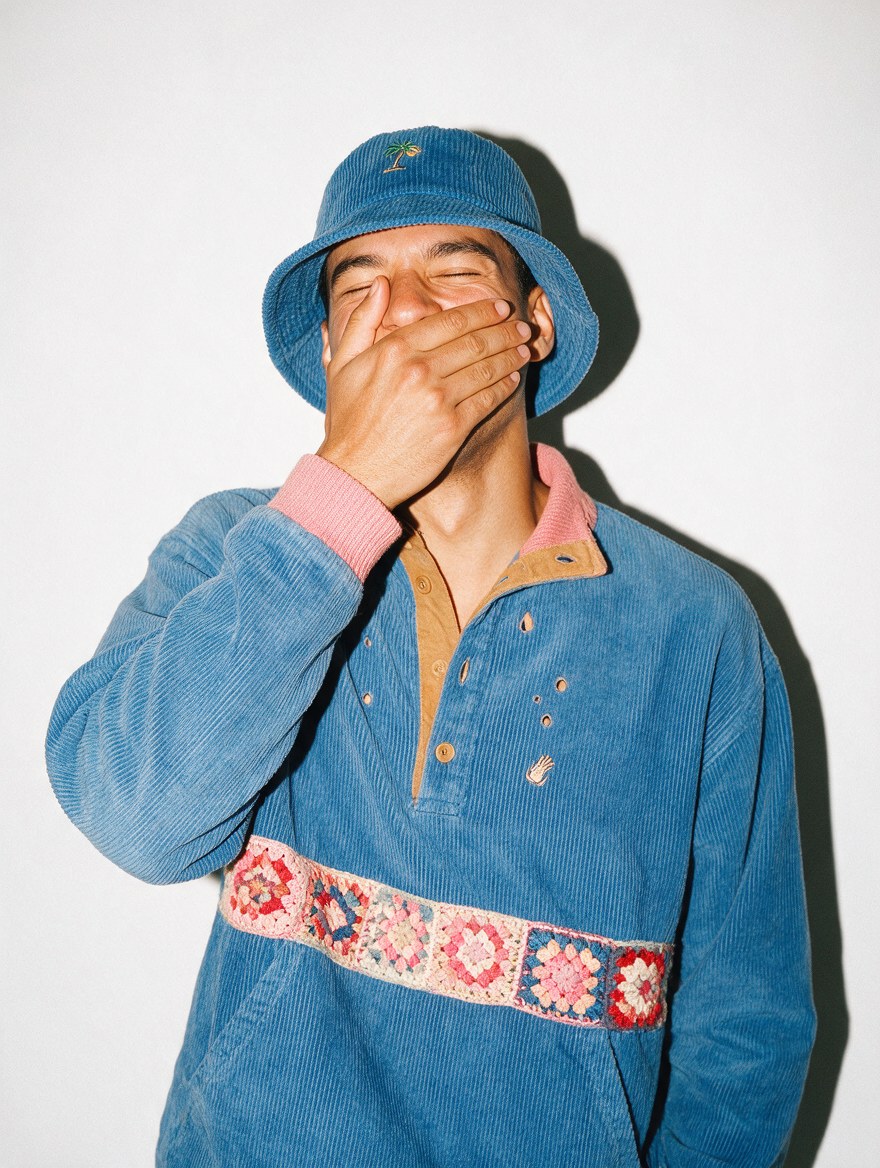
The second is creative direction. This is photographic craft knowledge focused on a generation session: lighting as a communicative tool rather than a setting, composition, the talent model's relationship to the product, the mood a campaign is asking the shot to carry. It's no different from a director working with an actor: the performance you get back is only as specific as the direction that went in, and even a ‘good’ prompt alone is not considered generative ‘direction’.
The third is an audit of outputs. Of everything a well-directed Gen AI session produces, only some of it clears the standard. Finding the defects is a trained skill — anatomy bending in a way a real body wouldn't, props with unrealistic geometry, or a face that shifts between shots of the same set (known as model drift).
Finally, curation is the final step. This is the process which determines which of the clean shots are best and on-brief, and selects them for final client delivery.
Why the Difference Determines Who Gets Hired
For a brand, the difference explains why some Generative AI work supports a brand campaign well and other work comes back generic or slightly off. The brands producing generative photography of a higher standard aren't running better platforms than everyone else — they have creative direction inside the workflow, in-house or brought in, and that direction is what turns a capability into something commercially usable.
For generative photographers and creators, this difference clarifies the value of using Generative AI to produce photorealistic imagery.
Platform fluency is quickly becoming a commoditized skill — the platforms get easier for everyone at the same time, which means knowing one well is worth less over time. Bringing professional creative direction to a Generative AI production workflow, and standing behind the result the way you'd stand behind a shoot, is not the commodity. That's the practice, and where a career in generative photography begins.
For a demonstration of what a directed generative photography session looks like against a real brief, join our free community of aspiring Generative Photographers to find out the schedule for the next upcoming webinar. genphotography.com/community
