Run Your Brief Through Five Platforms Before You Choose One
The question we hear most from aspiring photographers, content creators, agencies, and in-house teams starting out with Generative AI is simple: which platform is best? It's the wrong question. The right one is which platform, and which AI model inside it, responds best to your direction. The only way to answer it is with your own brief.
A Generic Quality Test Passes Every Platform
Type a demo prompt into Midjourney, Runway, Reve, Kling, or Higgsfield and each one hands back something that looks good. Sharp, realistic, nicely finished. Those standards are easy to meet now, so a test built on them can't separate the platforms.
A brand brief is harder to satisfy. Say it calls for warm ambient lighting, a talent model with a loose, unposed energy, and the product sitting inside the scene instead of centered in it. Nothing unusual for a real campaign, but specific enough to show which AI model follows direction and which one slips back into its habits.
Run the Same Direction Through Each and Watch for Three Misses
Write the Generative Direction once, translated from the brief, and put the same prompt through each platform you're considering. Then judge the outputs against the brief, not against each other. In our experience, three misses show up again and again.
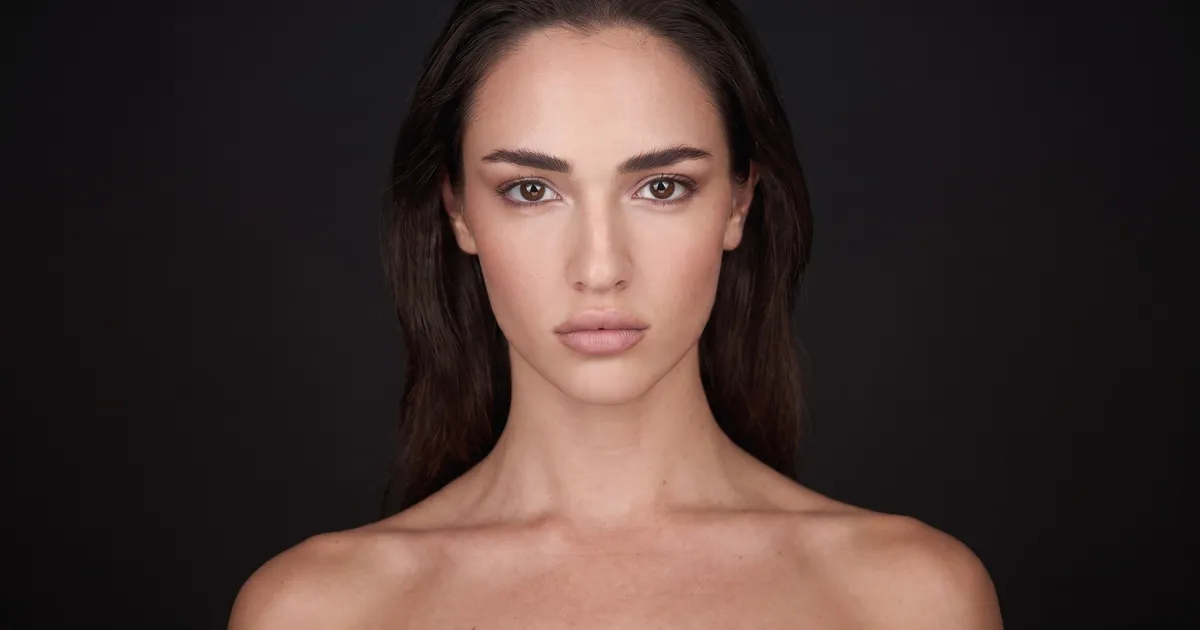
The first is a lighting override. The output looks polished, but the AI model has cooled the lighting into something more editorial than the brief asked for. In a generic quality test you'd never notice, because the image looks fine on its own. Next to the brief, it's off-brand.
The second is a talent model default. You asked for ease and got a pose. The model returned an aspirational, fashion-shoot look, and some models need a lot more direction than others before they'll give it up.
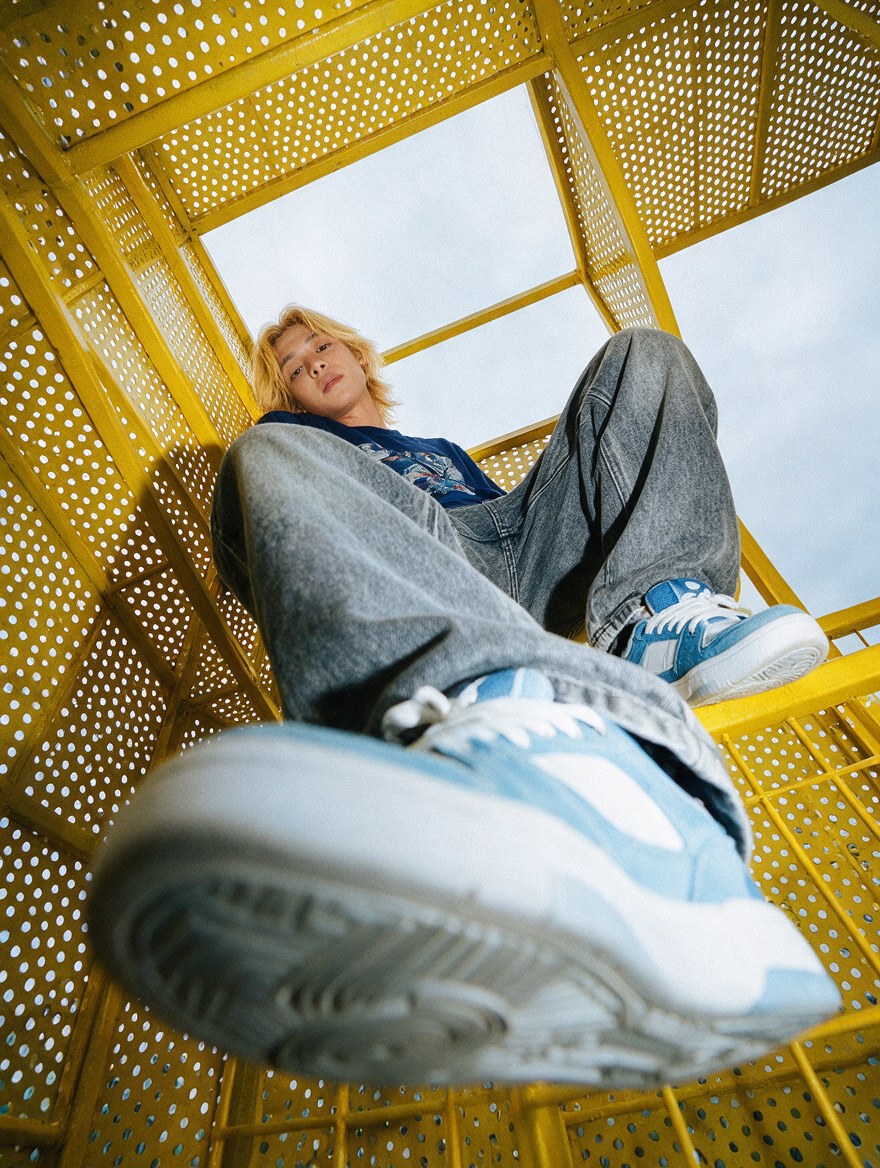
The third is a compositional habit. The brief put the product inside the scene, and the model put it front and center anyway. Models with this habit make excellent product shots and need heavy direction for lifestyle work.
None of this is the platform's fault. These are the AI model's defaults, and the test measures how much Generative Direction it takes to overcome them.
Choose the Platform That Answers to Your Direction
Here's the takeaway: pick the platform whose AI models respond to the direction your briefs need, not the one with the prettiest demo. The platform that wins a generic test can still lose on your lighting, and you'd rather find that out now than on a client job.
The test teaches something else along the way. Knowing which miss you're looking at, whether the lighting, the talent model's energy, or the composition, is the same skill as knowing which line of the prompt to change. That's Generative Direction, and it's built by directing, not by logging hours on the platform. We explained why a better platform alone doesn't fix an off-brand output in 'Why Gen AI Comes Back Off-Brand — and Platforms Won't Fix It'.
To finish with an example, a photographer doesn't choose a camera from the spec sheet. They put it in their hands, shoot with it, and see whether it gives them the shot they had in mind. Choose a Generative AI platform the same way, with your brief as the test. A creator who can run that test is already working like a Generative Photographer.
Join our Community and watch our next free Generative Photography webinar to see Generative Direction applied against a real brand brief: genphotography.com/community