Why 29% of Consumers Still Spot AI Product Photos
Seventy-one percent of consumers said AI-generated product photos looked the same as real ones. That comes from a Stylitics study of four hundred and eleven consumers, and it's worth paying attention to. Keep reading.
Read the number the other way and it gets more useful. Almost three in ten consumers could still tell. In our experience, the ones who can tell aren't good at guessing — they're reacting to the same three negative visuals, and every one of those comes from a lack of generative direction, not the AI platform or AI model capability.
The Photos Consumers Trust Used a Proper Workflow
The photos that passed the consumer sniff test came out of a workflow where someone applied creative direction during AI Generation. This skill, when utilized within prompts on a Generative AI platform to generate imagery, is known as Generative Direction.
The lighting matched what the brand uses across the entire set of photography on the ecommerce site. The talent model's gaze and posture were directed toward the feeling the brand sells, the same way a photographer directs a person on set. And someone audited the outputs and delivered only the shots that met the brand standard.
The photos that failed skipped one or more of those steps. An in-house creative typed a description, the platform returned a set, and the least-bad option went live. The consumer never sees the workflow, but they see what it produced.
The Three Things the Other 29% Are Reacting To
The first is skin and surface texture. Generative AI, left undirected, defaults to over-smoothed skin and highlights that are slightly too clean, because that's what most of the retouched photography it learned from looks like. A directed session sets the lighting and surface texture to hold natural skin, and the audit rejects any frame that slipped back toward plastic. We cover the plastic look in detail in 'Why Your AI Product Photos Look Unrealistic (and How to Fix It)'.
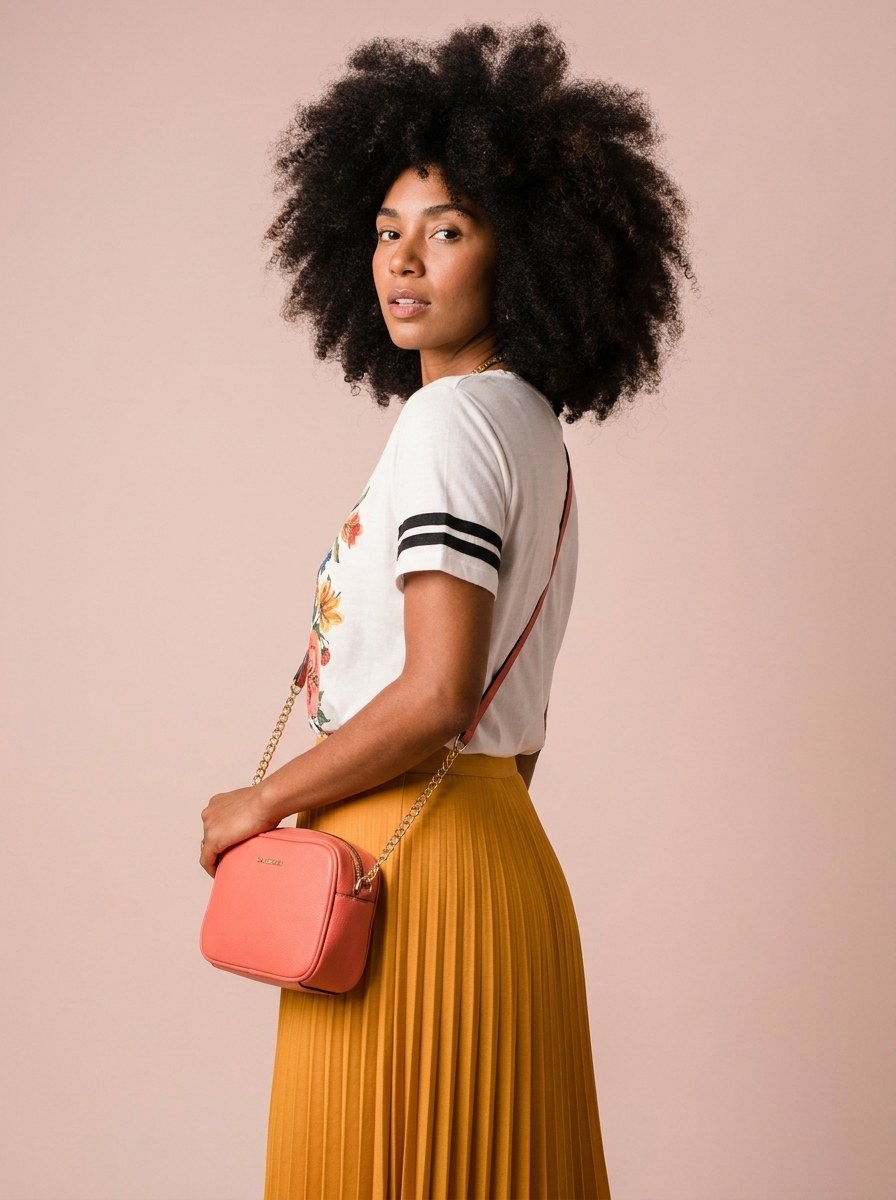
The second is inconsistency across the product image catalog. One product page is lit warm, the next is lit cool. The talent model's proportions shift slightly from page to page — a face that changes between outputs in the same set is known as model drift. No single image gives it away, but browsing five of them does.
The third is the same, generic output. Without creative direction, Generative AI returns the average of every fashion photo it has seen: competent, conventional, and nearly identical to other images. A consumer with a good eye recognizes anonymous, low-quality images as 'AI,' even when nothing in them is technically wrong. It's simply just not photorealistic enough.
Consumer Trust Is Earned in the Workflow, Not on the Platform
Trust isn't a function of whether a brand used Generative AI. It's a function of how well the generative AI session was directed and how well the outputs were audited before anything went live. Brands with trusted photos run that workflow.
Said another way— the platform alone doesn't set the quality bar. A Generative Photographer sets it, through the direction given within the prompt and the Generative Curation that determines which final shots make it in front of consumers. That's the skill a brand team is paying for when it brings in outside help, and it's a skill a brand can build in-house.
Download our free guide 'How To Escape Generative AI Slop' for ten direction techniques that remove the three things the other 29% are reacting to: genphotography.com/asset/fakeslop