Why Agencies Sell Generative Direction, Not Cheaper Images
The agencies that added Generative Photography to their services and charge a professional rate for it made one choice from the start. They didn't pitch it as a cheaper, faster way to get images. They sold it as directed production, held to the same brief and the same standard as the traditional photography they already deliver.
That choice determines whether the service keeps its price. Here's why.
'Faster and Cheaper' Is a Pitch the Client Can Take In-House
Put yourself in the client's chair. If the agency's pitch is speed and low cost, sooner or later you'll ask why you're paying an agency for something your own Midjourney or Runway subscription already gives you. Access was never the scarce thing, so a pitch built on access has nowhere to go.
Agencies that led with this pitch have already run into the wall. They won a few jobs on price, then watched the client's in-house team open the same platform and do it themselves. The service lost its value because the value sat in the platform, not in the direction.
Clients Pay for Direction Because the AI Model Can't Supply It
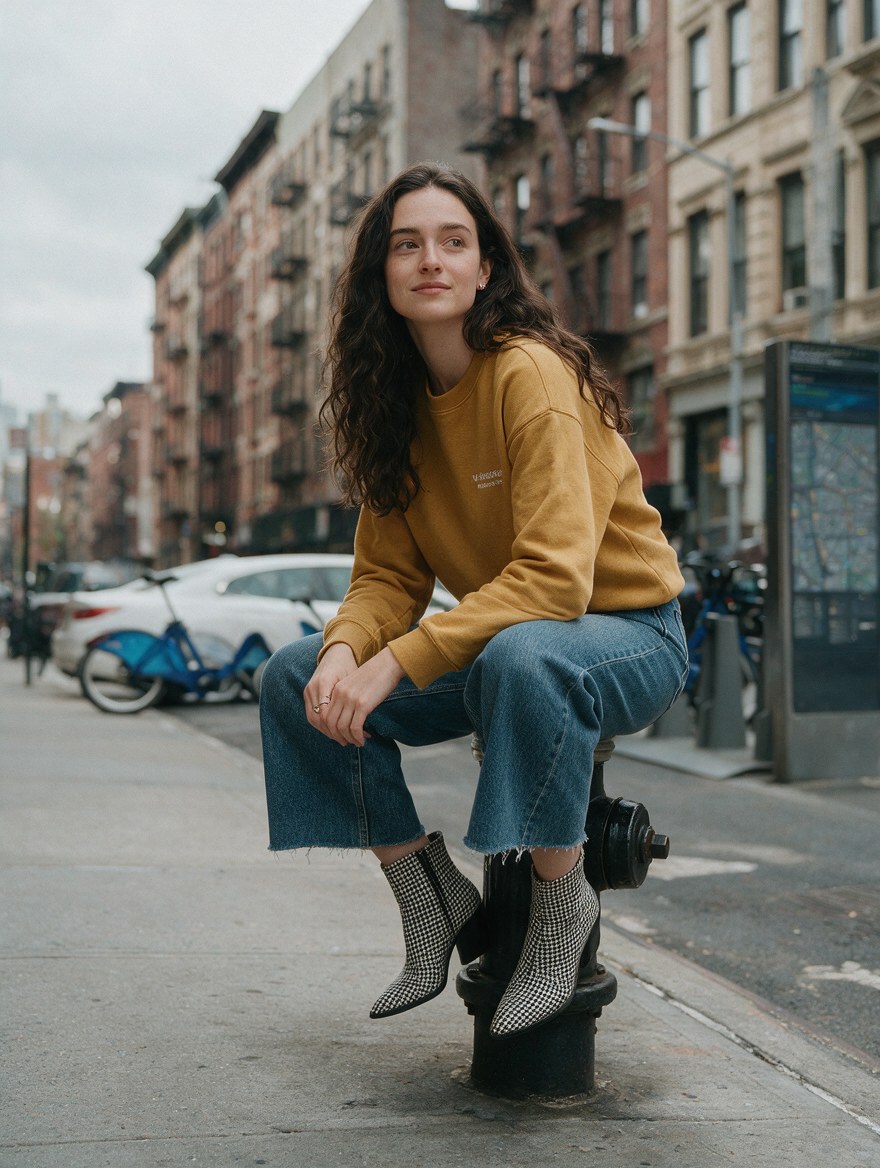
Say the client's brief asks for warm, approachable lifestyle photography with the product in a real person's day. An AI model such as Nano Banana Pro or Seedream has never seen the brand, so it falls back on the average of every image it learned from: neutral lighting, a posed talent model, the product dead center. Someone has to translate the brief into Generative Direction within the prompt, set the standard before the session starts, and audit what comes back.
That's the work a subscription can't do, and it's the same work the client already pays the agency for on a traditional shoot. We listed what a brand checks for in 'The Five Questions Brands Ask Before Running Gen AI Work', and none of those checks come with a subscription.
What a Direction-Positioned Engagement Delivers
Agencies that price Generative Photography well build the engagement around three things the client can hold in their hands:
- A brief interpretation, written before anyone opens the platform, that turns the client's visual standards into the lighting, talent model energy, and composition the prompts will call for.
- A written quality standard the generative session is audited against: the lighting that's acceptable, the skin and texture that pass, and the defects rejected on sight.
- Curation notes at delivery, explaining why each shot was chosen over the alternatives and which line of the brief it satisfies.
That paperwork pays off twice. The client gets a standard the next campaign can reuse without starting over, and the agency gets proof of the skill behind a service the client could, in theory, access alone. The margin works too, because a directed generative session produces three to five times as many photorealistic outputs as a traditional photography session, for a fraction of the cost.
The Positioning Is Easier to Take Now Than Later
Here's what this means: the agencies building the service now are building it while Generative Direction is still rare, so their early work becomes the case study a later entrant can't copy overnight. The agencies that wait, or that sell the service as automation, end up in a price fight with a subscription — and the subscription wins.
To finish with an example, no agency ever sold a traditional shoot on the camera being fast. They sold the brief, the direction, and a set of shots the client could sign off on. Generative Photography is priced the same way, and the agencies learning to direct it are growing Generative Photographers on their own team.
Download the free Generative Photography Rate Sheet to see what agencies charge for directed generative work: genphotography.com/asset/ratesheet