Why One Prompt Never Gets Generative Work Past Brand Review
The default way most people use a Generative AI platform is one prompt, done. Open Midjourney, write a description, look at what comes back, keep the best one. It's quick, and in plenty of contexts the output looks impressive.
It's also why most generative work never clears a brand review. Not because the AI model can't do better, but because one prompt doesn't direct it toward better.
A Description Can't Produce a Brand-Specific Shot
A single well-written prompt can produce an image that's sharp, well rendered, and coherent. What it can't do is produce something specific to a brand. It can't translate a brief's lighting, talent model energy, and composition into the prompt, and it can't anticipate which of the AI model's defaults will collide with the brief. So the brief asks for warm and approachable, and the model hands back cool and posed, because nobody told it otherwise.
Said another way— a description says what the image should contain. A direction says how the shot is made, the way a director guides an actor through a scene rather than summarizing the plot. The output from a description is competent and generic. The output from Generative Direction is specific to the brief, and a brand team can feel the difference in review even when they can't put a finger on why.
Professional Work Is Iterated, Not Prompted Once
A directed generative session happens in rounds, and what changes between the rounds is the whole point.
The first round is a direction test. It isn't meant to produce a final shot. It shows which of the AI model's defaults are fighting the brief: cooler lighting than asked for, a posed talent model, a product parked in the center.
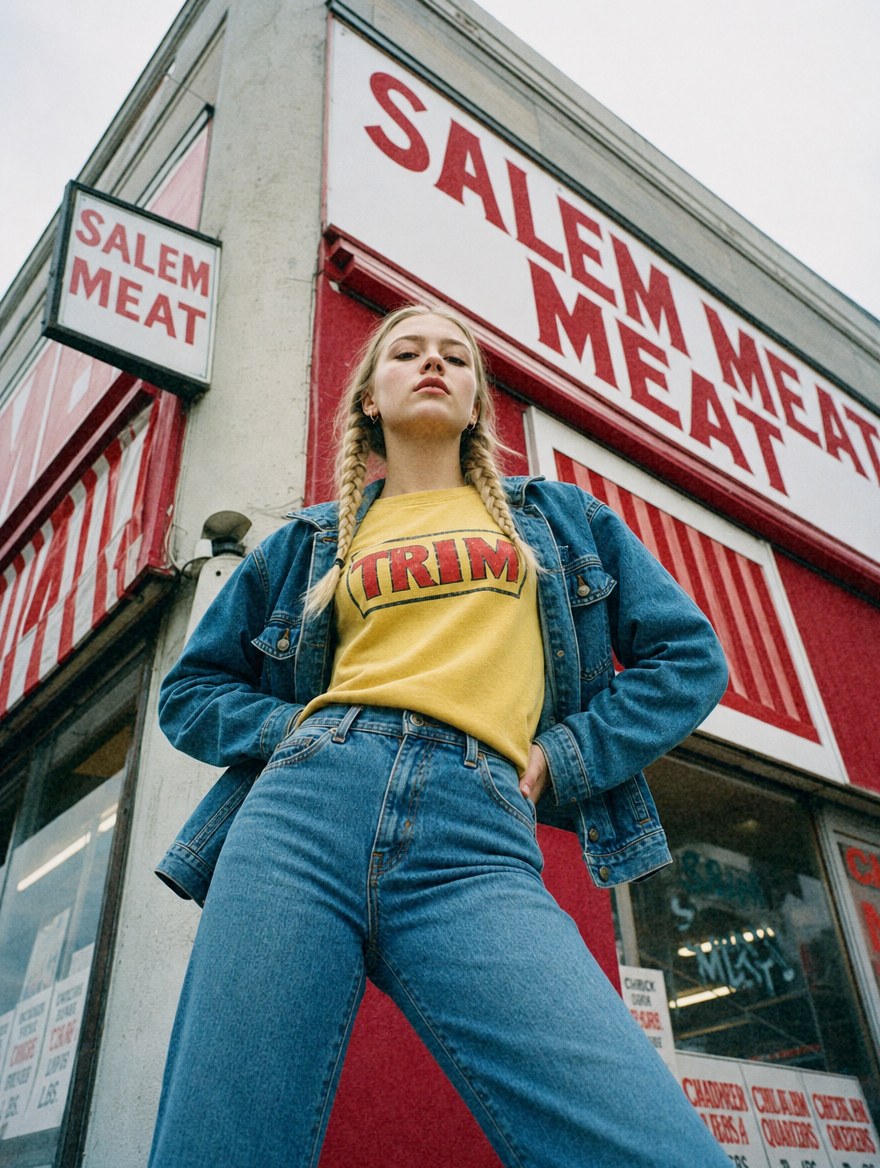
The second round is generative reshooting. The direction is adjusted to counter the specific miss. If the lighting drifted cool, the prompt calls for the warm ambient lighting more explicitly. If the talent model came back posed, that one line is rewritten, not the whole description.
The third round produces the candidate set: the outputs audited against the standard, then curated for delivery. Later rounds fill gaps. If the brief's second scene isn't covered yet, the next round is focused on it.
This isn't slower than one prompt once you measure the result. A directed set is usable the day it's delivered; a prompt-and-pick set comes back from the brand with a list of revisions, and the time you saved up front gets spent twice over.
Three Habits That Replace One Prompt, Done
If you're an aspiring photographer, content creator, or agency creative shifting off the one-prompt habit, three changes do most of the work:
- Write the brief before the first prompt — what the output must achieve, and the defects you'll reject.
- When a round misses, adjust the direction, not the description. Change the line that failed rather than rewriting everything.
- Curate against the standard, not by comparison. The best of a poor set is still a poor set.
These three habits are how a session gets directed instead of prompted, and they're built through practice rather than platform fluency. We laid out the preparation that comes before them in 'Three Steps Before You Open a Gen AI Platform for a Client'.
To finish with an example, no photographer takes a single shot and hands it to the client. They shoot, check, adjust, and shoot again until the shot matches the brief. A generative session works the same way, and the creators who work it in rounds are producing the work of a Generative Photographer.
Download our free guide 'How To Escape Generative AI Slop' for ten direction techniques that replace description with direction: genphotography.com/asset/fakeslop