Why Stock Photography Lost to Gen AI and Commercial Won't
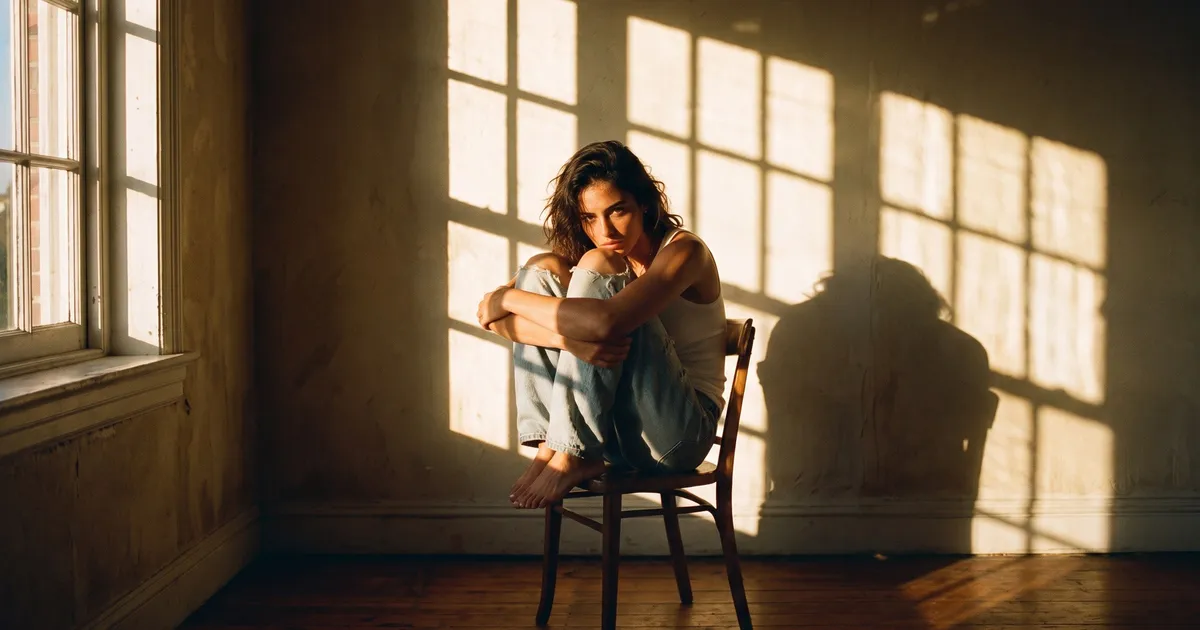
Stock photography didn't lose to Generative AI because the AI models were superior. It lost because stock images offer exactly what Generative AI now creates for almost nothing: generic photos that anyone can use and no one specifically directed. If you need something like 'a woman laughing at a salad,' Midjourney can generate it in seconds for less than fifteen cents, making the old licensing model irrelevant.
Commercial-grade, generative photography offers something completely unique, which is why its future is still being written.
Commercial Photography Focuses on the Brief, Not Just the Image Output
Continuing the stock photography example further, brands hire photographers because no stock library has the exact photo they need: their product, in their lighting style, for their campaign, and up to client standards. Most of the time, stock photography simply isn't on brand.
Generative AI can't provide that level of specificity on its own. If you don't guide it, platforms such as Runway or Reve AI just produce an average of everything they've learned, which is basically a new version of a stock photo.
To create a photo that truly fits a brand, you need Generative Direction: someone who understands the brief, manages the lighting, talent, and composition in the prompt, and reviews the results. We explained why the platform alone can't achieve this in 'Why Gen AI Comes Back Off-Brand — and Platforms Won't Fix It'.
Put simply, Gen AI has drastically reduced the cost of making photorealistic imagery. But it hasn't removed the need for someone to understand what AI prompt is needed to achieve a photorealistic look.
Gen AI Is Used Two Ways, One Threatens Photographers
The first way is displacement. Here, a brand swaps its photography budget for a Generative AI platform subscription, skips the creative direction, and just uses whatever something like Kling or Runway AI produces. These generative image outputs are cheaper, and it shows—they look generic, vary from page to page, and don't match the brand. This approach threatens photographers whose main value was in operating the camera, since the brand now sees the camera as the costly part.
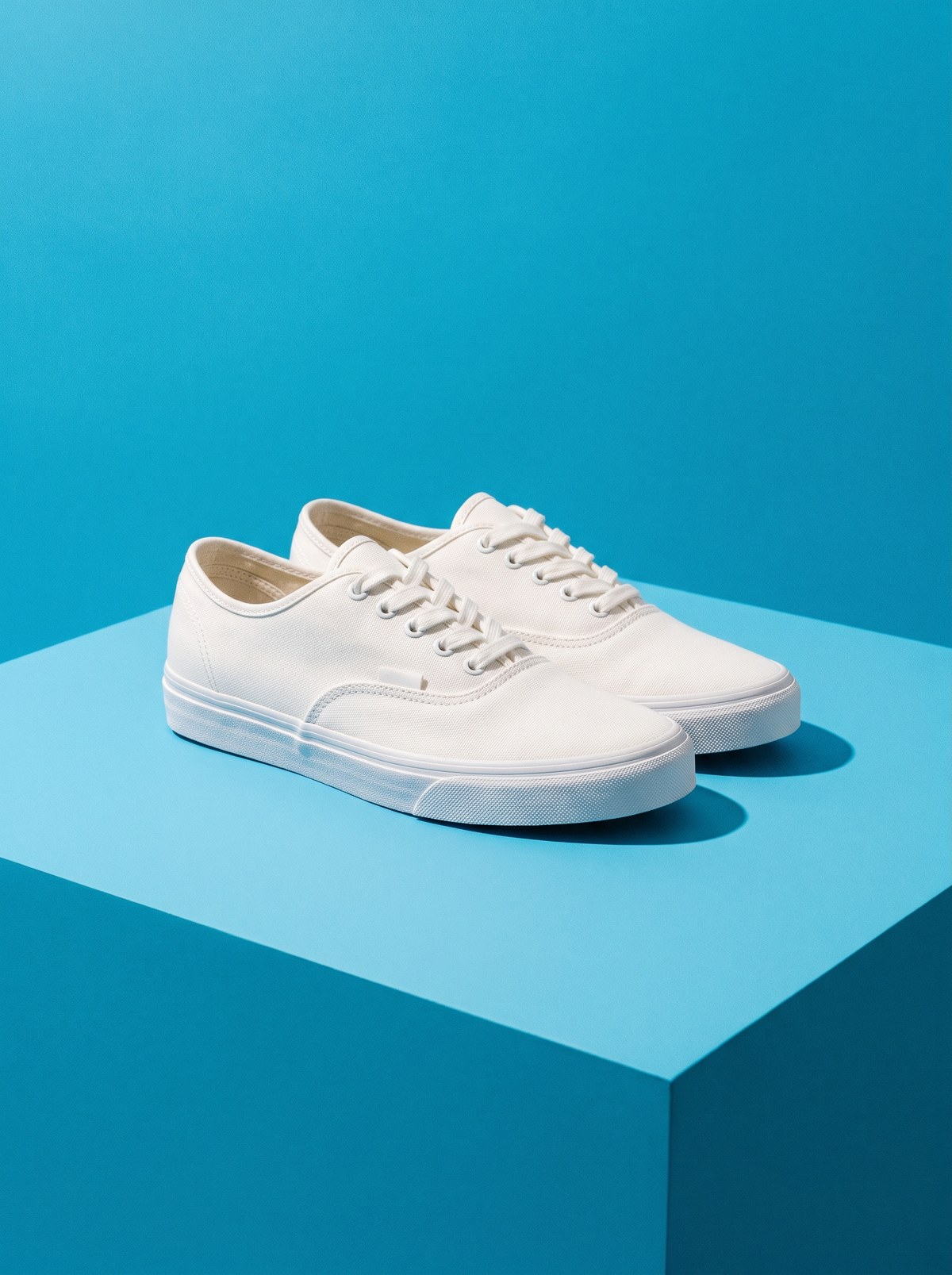
The second way is amplification. Here, a generative photographer uses their skills—like lighting, directing subjects, and understanding briefs—during a generative session. This lets them create higher-quality photos than the displacement method ever could, and serve more clients than traditional shoots would allow.
Displacement doesn't last, because these photos are easy to spot—both by brand teams during reviews and by customers on product pages. The Association of Photographers found that 58% of its members had lost commissioned work to Generative AI, but now, brands that skipped creative direction the first time are starting to look for it again.
The Choice Stock Photographers Never Had
Here's the main point: stock photographers didn't have a choice about Gen AI. Their value was in the production work that platforms have now taken over. Commercial photographers, on the other hand, have value in two areas: production, which Gen AI is taking on, and direction, which becomes even more important as Gen AI improves, since there's more work to guide.
If you're a commercial photographer, this is your decision. If you focus on direction, the platforms become a tool. If you focus only on production, you'll end up competing on price with a subscription.
To conclude with a comparison, stock libraries never knew who was licensing their photos or why. Commercial photographers always did. That understanding of what a photo needs to achieve for a brand is the foundation of Generative Direction, and it's a skill that we teach to current traditional photographers, content creators, agencies, and in-house content production teams.
Join the free Generative Photography community, where photographers making this move compare what's working: genphotography.com/community